Conversation with Author and Former CIA Officer Nicholas Reynolds
Conversation with Author and Former CIA Officer Nicholas Reynolds
By PMML Staff
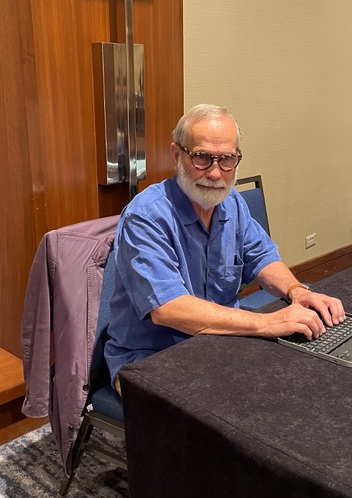
Nicholas Reynolds has spent four decades working in modern history, with a career spanning the Marine Corps and the CIA. A former Marine Corps infantry officer and field historian, he later served as historian for the CIA Museum, contributing to its strategic planning and historical scholarship.
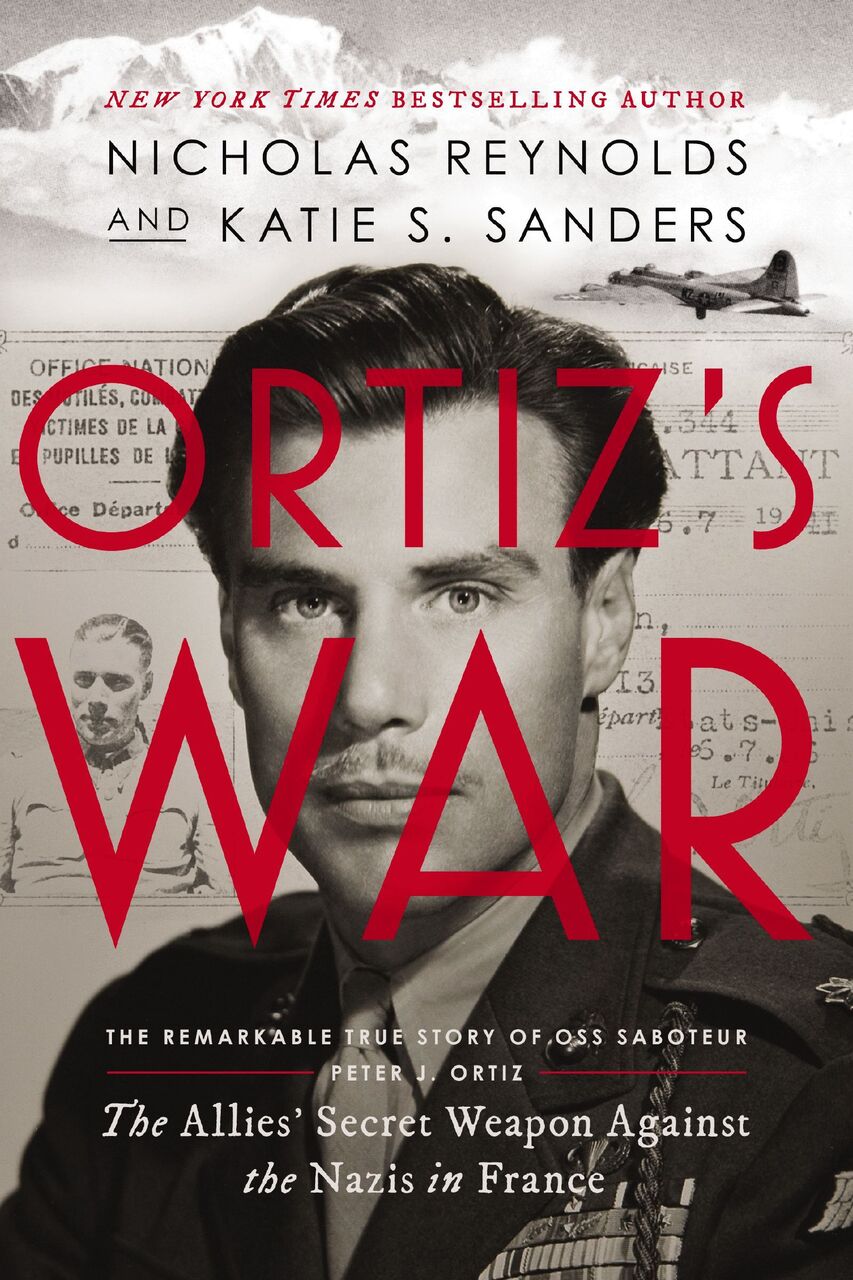
On October 29, PMML will welcome Reynolds to discuss his latest book, Ortiz’s War, with members and guest. Ahead of his lecture and book signing, PMML spoke with Reynolds about his path from military service to becoming an author, the person he most admires, and the message he has for those planning to attend the event.
Get Tickets for Author Talk with Nicholas Reynolds
Q: What drew you to become an author after leaving the military?
Nicholas Reynolds: Actually, it’s the other way around. Before joining USMC, I wrote a biography of General Ludwig Beck, who was chief of the German General Staff in the 1930s and then head of the German Resistance to Hitler, which culminated in the July 20, 1944, attempt on Hitler’s life. When the plot failed, Beck took his life. Writing about an honorable military man got me wondering about the military and wanting to experience it myself. In my year, I may have been the only PhD to join!
Q: What author do you admire the most? And why?
Nicholas Reynolds: I’m a life-long fan of Ernest Hemingway’s writing for many reasons, starting with his style — the way he chooses just the right word to express himself and invite the reader into the scene that he is writing about. Hemingway’s “iceberg” style leaves the reader to fill in the blanks for himself — to relate what he is reading to his (or her) own life. This means each of us can have his own Hemingway experience. Plus: two of his three greatest novels are about war, "For Whom the Bell Tolls” and “Farewell to Arms.” They work both on the micro and macro levels. Built around compelling individual stories, they make us think about universal issues.
Q: What do you want to say to PMML members and the public coming to see you on October 29?
Nicholas Reynolds: Ortiz’s story is not as relatable as some of Hemingway’s stories; we are not all war heroes like Ortiz. But his is a story that can be appreciated in more than one way. It is exotic and true, something the reader can sit back and enjoy vicariously: the French Foreign Legion and the Marine Corps in North Africa, trying to stop the German onslaught on the Franco-Belgian frontier in 1940, training with the British Special Operations Executive in 1943, parachuting into occupied France in 1944 and fighting to liberate the country from the Nazis. It is also edifying, a story that we can learn from. Like Hemingway, Ortiz invites us to think about some big-picture moral issues.